
So, Your Rescue Dog Has Aggression?
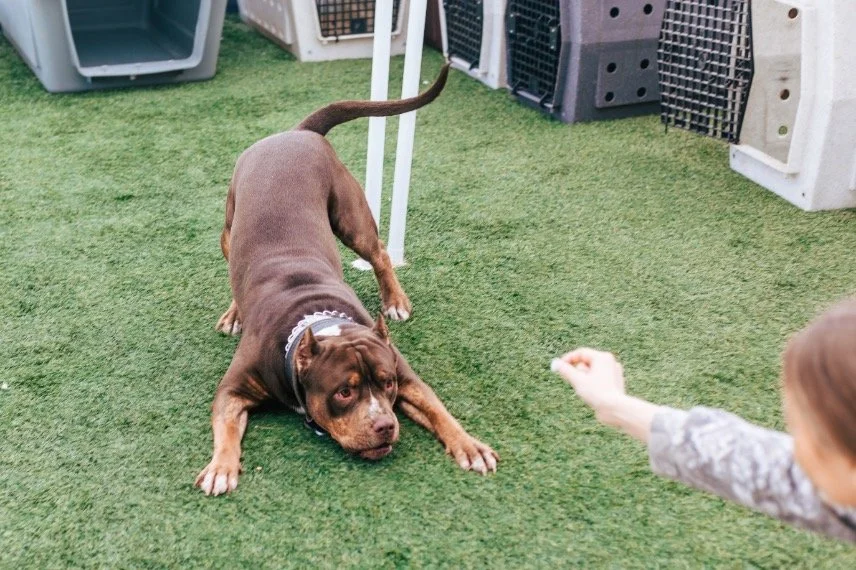
Rescue dogs are a mystery. When you pick up a dog from a shelter, it’s rare that you know their birthday, background, or triggers. Every resource guarding snap or leash pull can have you questioning your choices.
Thankfully, Phantom K9 has worked with dozens of rescue dogs over the years, and we know that aggression and reactivity are survival instincts that they have yet to unlearn. Throughout partnerships with local rescues and working Phoenix Valley dog owners, we’ve seen that stressful adoptions can turn successful with the right structure, patience, and training.
Understand The Trauma
Unfortunately, rescue dogs have a lot of trauma. Because of their unknown and tumultuous histories, they can sometimes be on the defense with new people and situations. As much as we want to, we can’t change their past - but we can give them a better future.
For rescue dogs, “aggressive” or “reactive” doesn’t equal “mean.” It’s usually a fear of losing food or being hurt, presenting as resource guarding or growling and snapping. That’s why owning a rescue dog takes a ton of patience. You need to show the dog that you’re not going to starve, hurt, or abandon them. In return, they will show you their true temperament beneath the trauma.
That’s where Phantom K9 enters. We can help you evaluate the unknowns and build a better (and safer) bond.
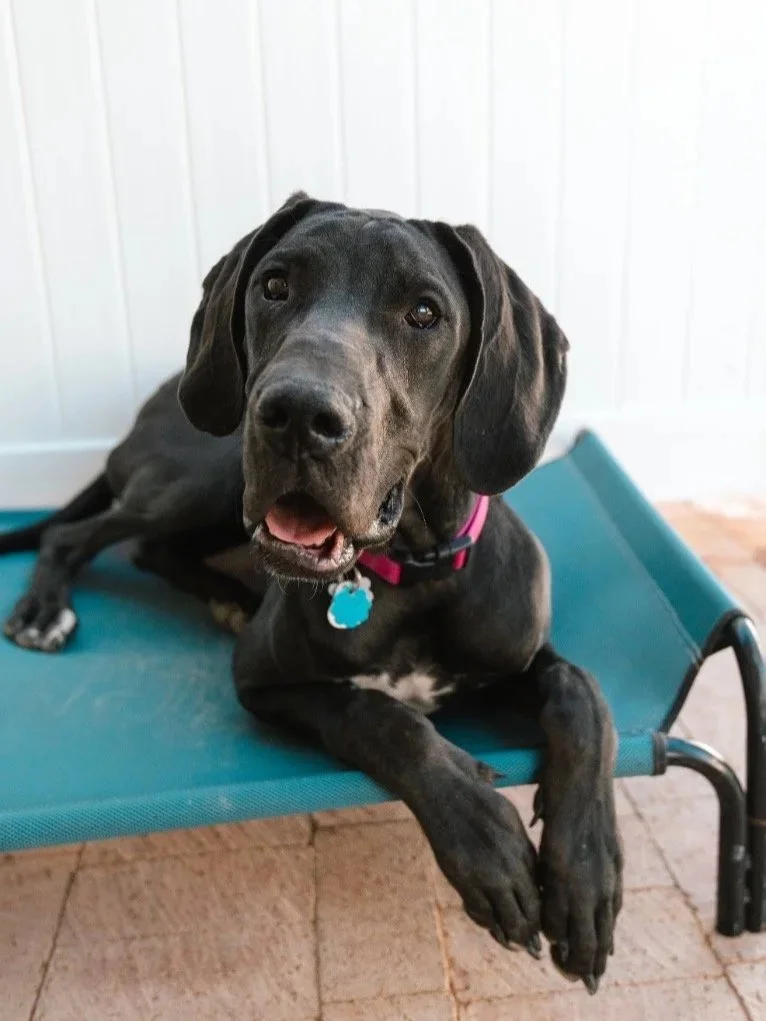
The 3-3-3 Rule
When you picked up your rescue dog, you probably were told about the 3-3-3 rule. It’s a timeline on how to expect your new dog to adjust to your home/life.
3 Days: Decompressing. The dog is in "survival mode." Don't test their boundaries yet. They have gone through a shock and need to process it.
3 Weeks: Showing their true colors. This is when the "unknown history" starts to peak out (leash pulling, barking at guests). It is also when they become more comfortable with you and you will see their cute quirks, share more snacks, and maybe get some cuddling in.
3 Months: Integrated and comfortable being themselves around you. This is where real rehabilitation begins.
Identifying the "Unknown" Triggers
After three months, your dog should pretty much be integrated into your life. You’ve probably got a walking routine and know their favorite snacks. In the first few weeks, there may have been signs of fear aggression in your dog. Sometimes, these go away as the initial shock fades and they become comfortable with you. If they are still around or worsening by the three month mark, it’s time to intervene.
Below are signs of fear aggression to watch for in your rescue dog. Many of these signs can also signal other types of communication, like initiating play, so it is important to monitor the situation as a whole and look for context.
Signs They Are Uncomfortable and Might React
Whale eye: When a dog keeps their head still and follows a “threat” with only their eyes, showing the whites of their eyeball. Whale eye isn’t always a sign of potential issues, however. Sometimes dogs will do this during play time or if they are too lazy to move their head. So, pay attention to if this is paired with pinned back ears and a stiff tail and body; if it is, your dog is uncomfortable.
Hypervigilance: When a dog is constantly scanning their environment, twitching their ears at every sound, and unable to relax. It might accompany whining, pacing, and inability to settle or sleep. Your dog might need to go to a quieter, less stimulating environment (like a kennel) before snapping.
Freezing: When a dog suddenly freezes and tenses their entire body. Sometimes this can be a sign of play, but if it is accompanied with other signs, this is the last thing they will do before lunging/reacting.
Signs of Avoidance and Displacement
Excessive yawning and lip licking: If this is occurring but your dog isn’t showing signs of being tired or sleeping, then they are showing “displacement behaviors” as a way of coping with being stressed.
Tucked tail: When they pull their tail tight against their belly to protect their most vulnerable areas.
Hiding: Sometimes fearful dogs will try and move away before they move forward (ie reacting). They might go under the bed or behind your legs.
Disengaging: Sniffing the ground in front of you or looking away when you approach to "deescalate the threat.” They are not ignoring you. They are trying to de-escalate a threat.
Defense Aggression (When They Feel Like They Can’t Flee)
Defense bark: A frantic and high-pitched bark with retreating and charging.
Muzzle punching: Hitting another dog or person with their snout, without opening their mouth. If accompanied by other signs of uncomfortability, this is a warning to back away.
Air snapping: Chomping the air. This could also be a sign of play or excitement, so watch for context clues to see if it is a warning sign.
Hackles: When the hair along their spine stands up. It’s the equivalent of getting goose bumps and means the dog is experiencing an adrenaline rush.
Why Professional Training Matters
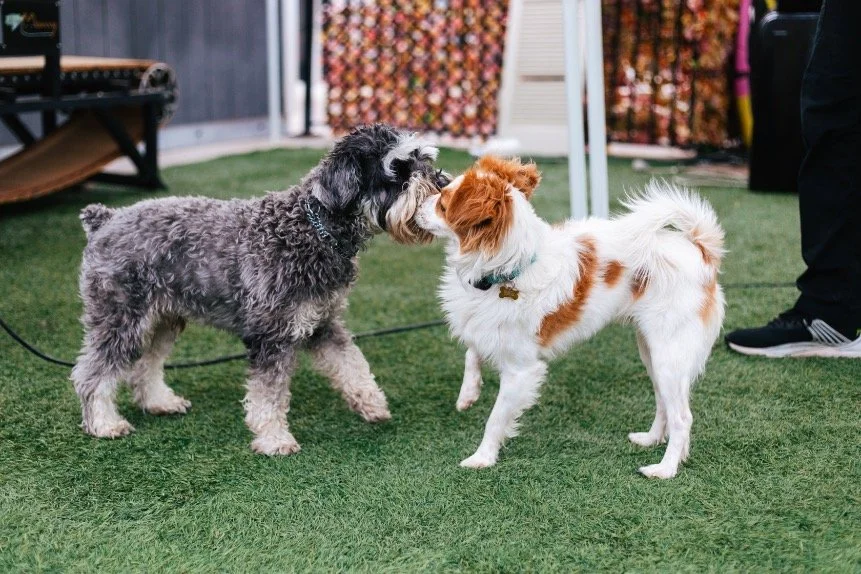
When it comes to addressing aggression and reactivity with training, timing is everything. If the correction is off, it can escalate aggression. If your dog has already shown signs, it’s going to take more than teaching a “sit” and “stay.” Do-it-yourself training (or following Tik Tok trainers) can be dangerous if you don’t know how to read the cues.
If your rescue dog’s aggression is truly fear based, using strong corrections can validate your dog’s fear. That can make the aggression stronger and more unpredictable.
Behavior suppression, which focuses on stopping the behavior like a growl, can create a silent biter. Since you’re silencing the behavior and not the emotion, the dog learns not to warn you before snapping.
Correcting a dog too early or too late can accidentally reinforce what you’re trying to stop. Using the wrong type of correction can do this as well. This is where professional training comes in; we are familiar with reading the cues and know how to work with their emotions so they don’t end up back in a shelter.
Rescues Have A Lot to Offer
There is hope to go from a traumatic past to a stable future. After years of partnering with shelters around the valley, we understand the challenges of rescue dogs. We work on shelter-to-home transitions through board and train programs, safety-first mentality, and the goal to keep dogs out of shelters.
Our board and train program is perfect for dogs with aggressive and reactive triggers because it provides a controlled and neutral environment. Every dog gets a fair chance at training so it can live a happy and stress-free life.
Have a rescue dog that needs help? Reach out for a free consultation.